
eir bands
For Developers
Turn virtual actions into real muscle movement. Build immersive XR, fitness, and haptic experiences with the eir bands Unity SDK.
The eir bands Unity SDK provides a robust solution for integrating Electrical Muscle Stimulation (EMS) capabilities from our proprietary eir bands wearable devices developed by Valkyrie Industries into your Unity-based applications. The SDK is designed to streamline development across both mobile and Extended Reality (XR) platforms.
Hardware
-
Frequency: from 10Hz to 100Hz
Pulse width: from 30us to 300us
Peak Intensity: 0 to 92.7 Vpk-to-Vpk
Latency: ~100ms
-
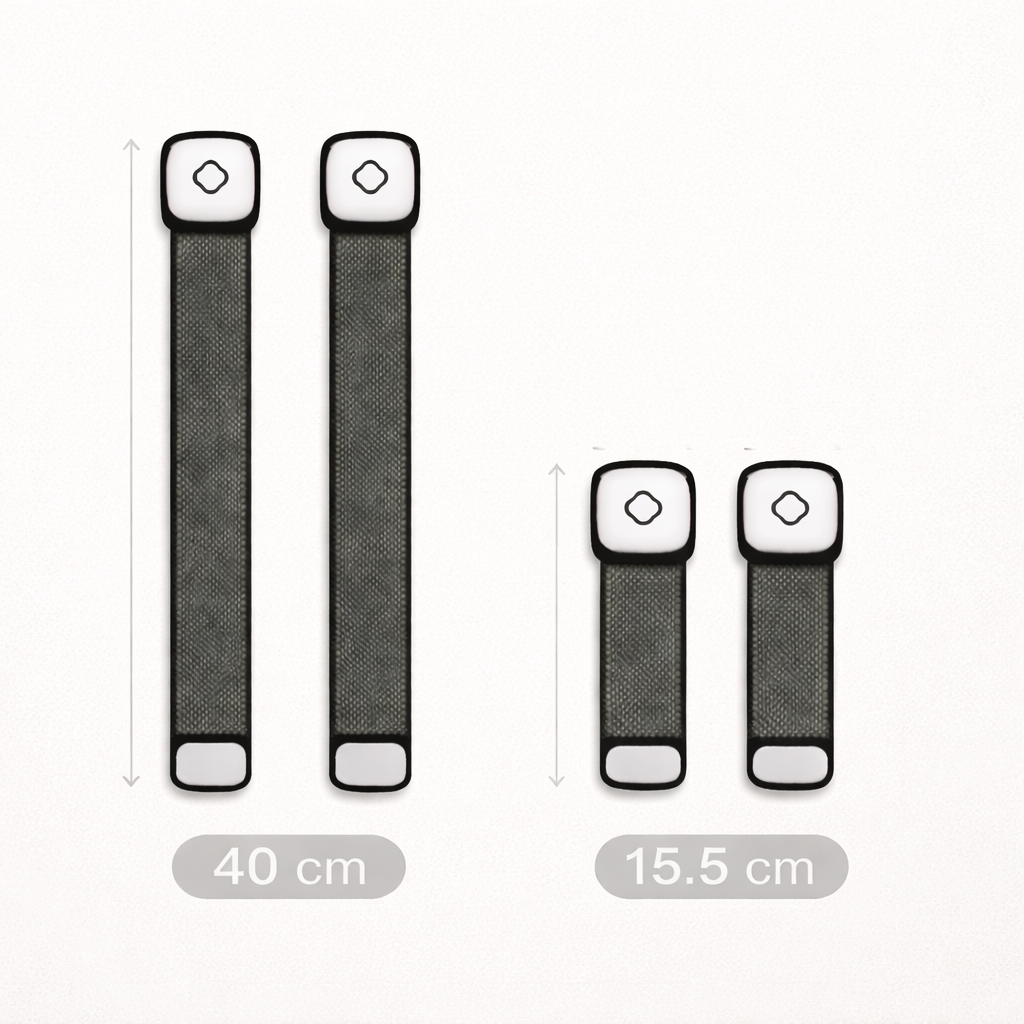
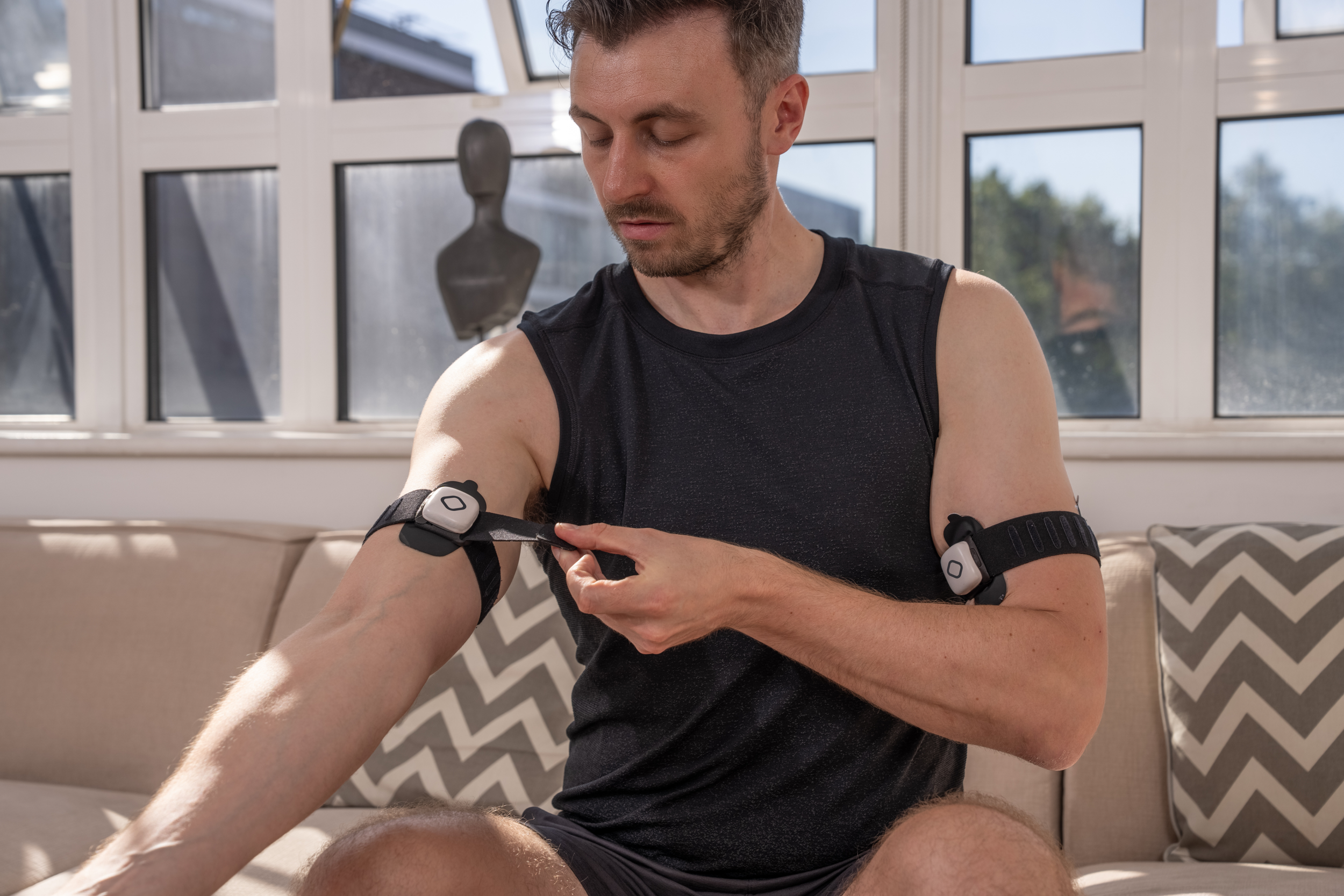
Short (15.5cm) – better for one-muscle static applications: e.g. rehabilitation
Large (40cm) – better for multi-muscle dynamic applications: e.g. XR gaming
-
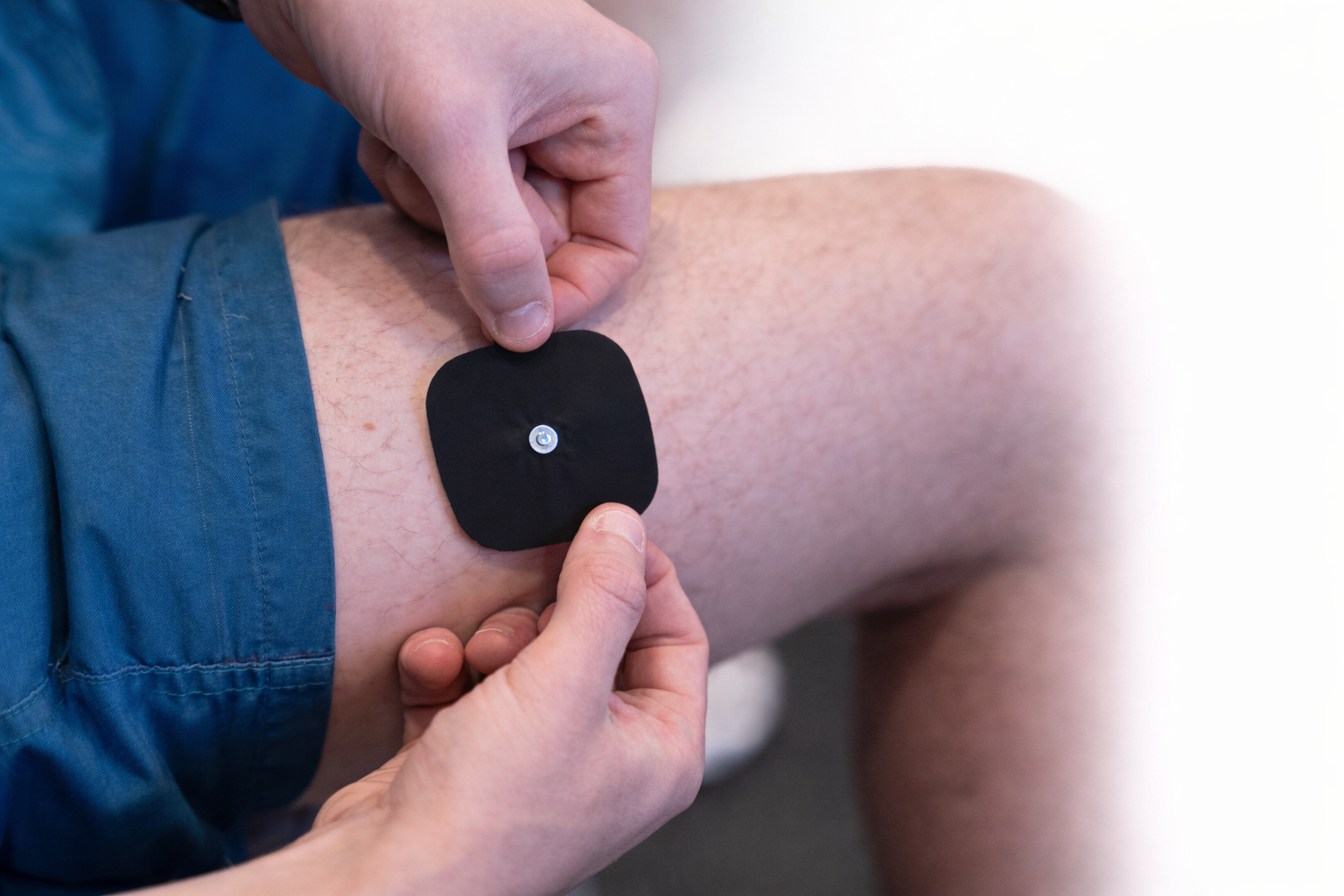
Small (5x5cm) – reusable up to 20 times (included in the package)
Large (5x9cm) – reusable up to 20 times (included in the package)
Also available exclusively in our online store.
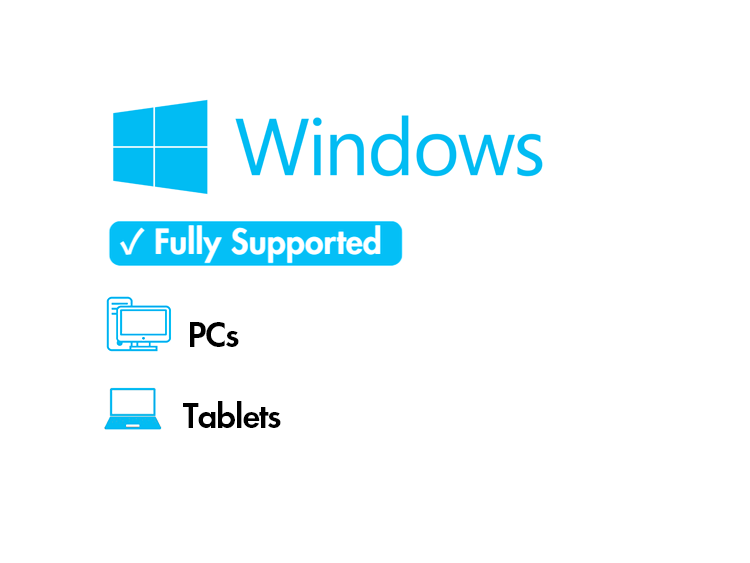
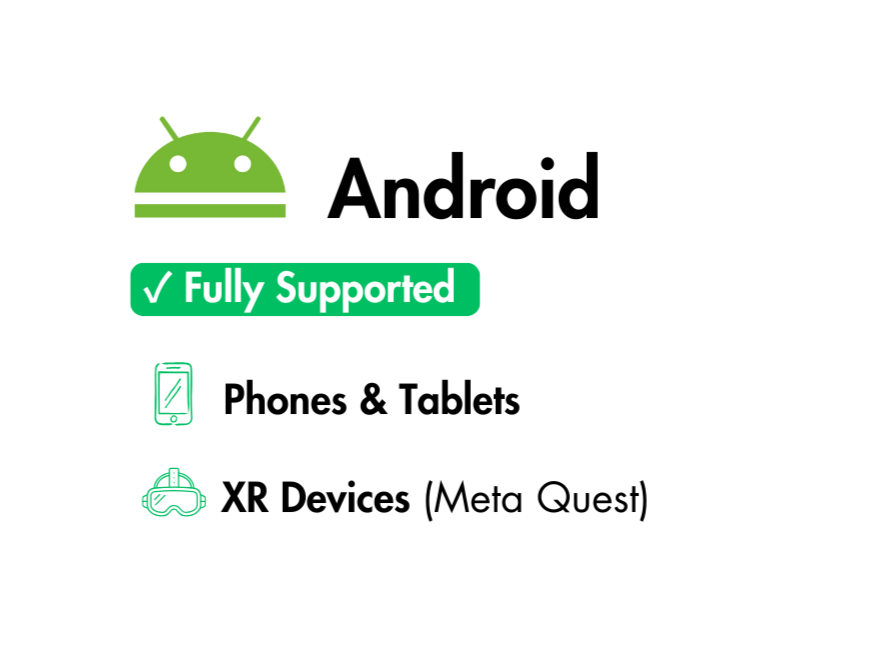
Supported Platforms
Core Features
Template Haptic Presets
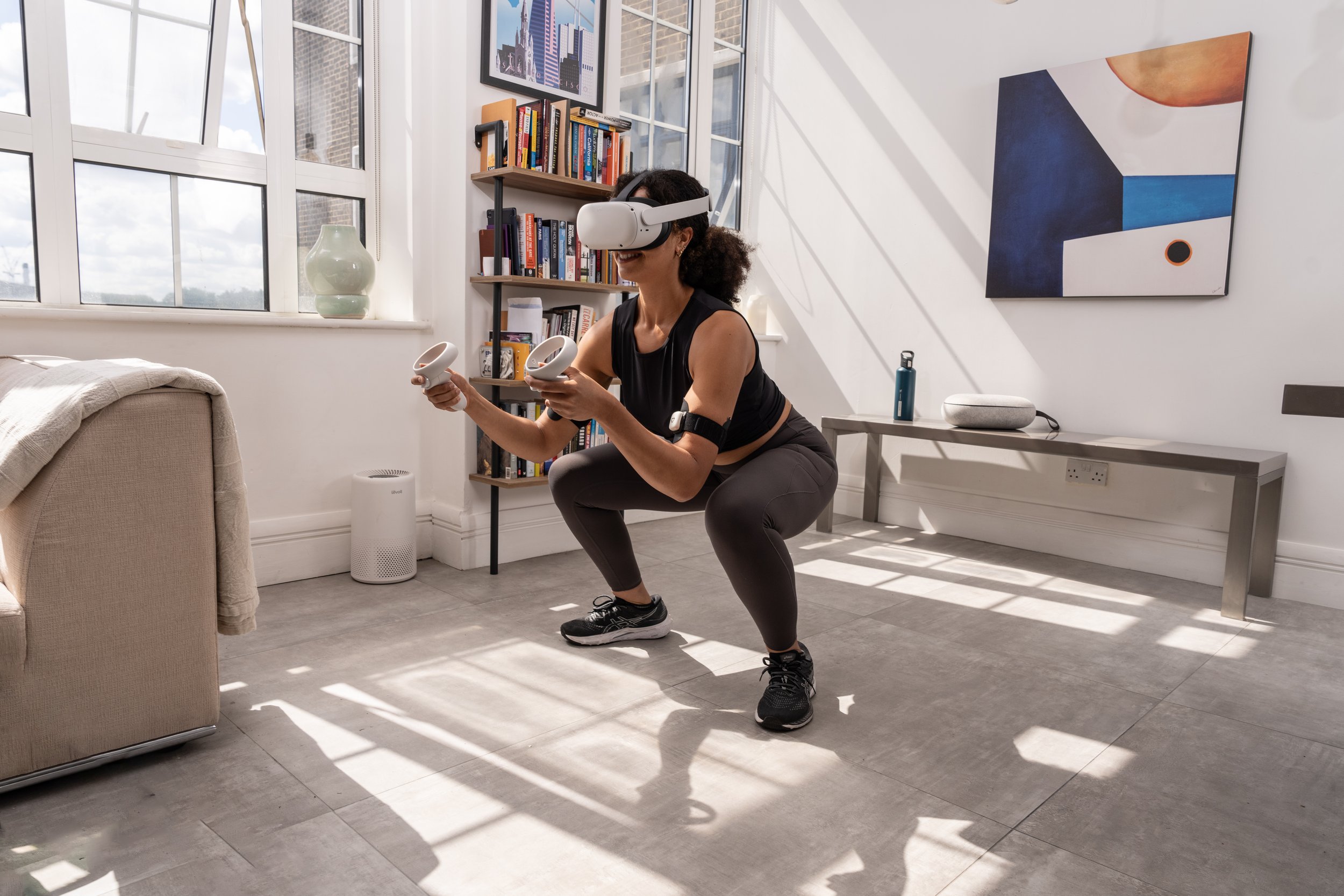
Pre-built examples and templates that demonstrate how to translate user actions (especially XR actions) into corresponding EMS stimulations.
Custom Haptics
Create your own haptic sensations.
4 Channel
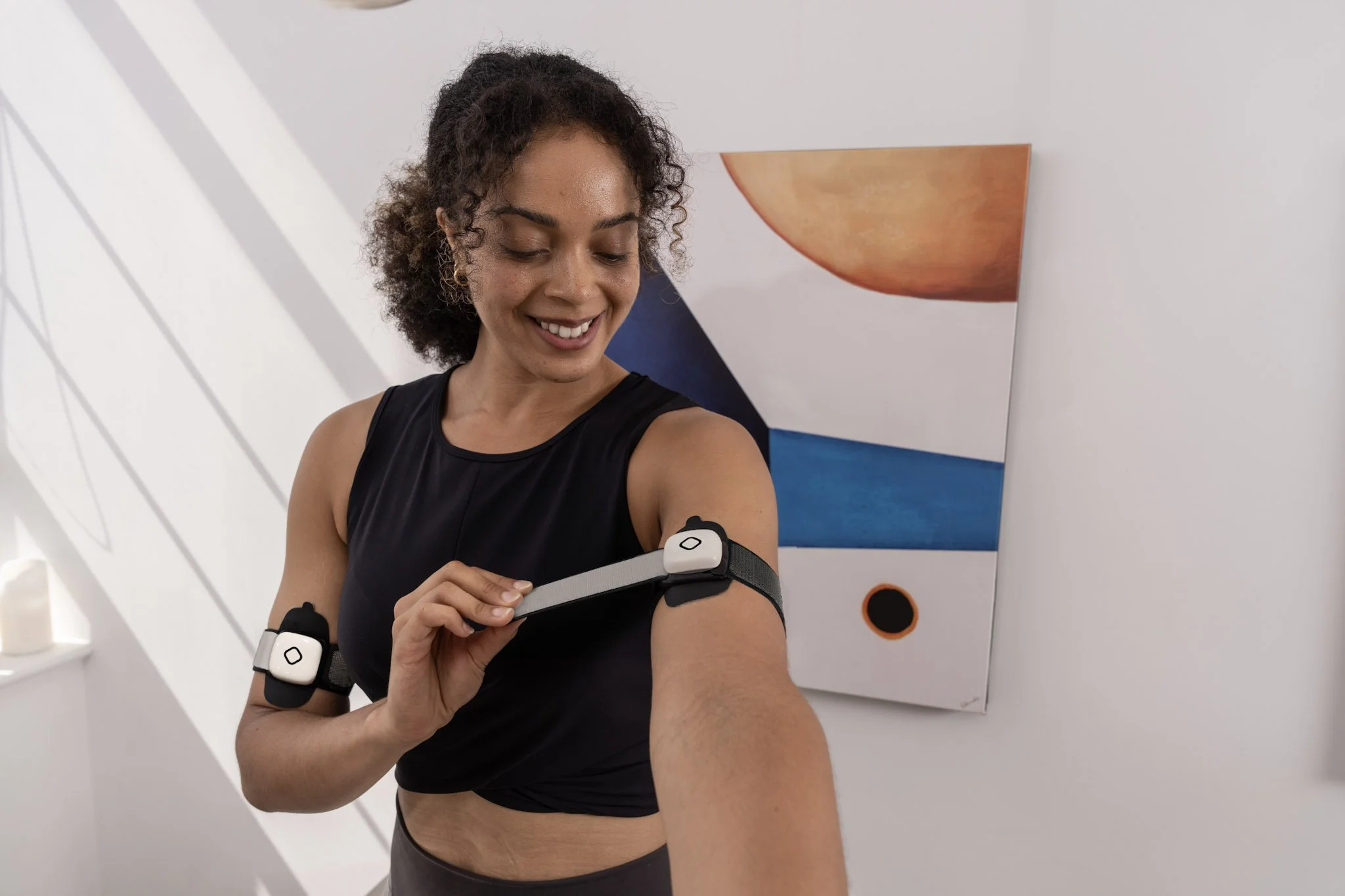
The eir bands SDK supports the development of applications which use up to 4 connected eir bands.
Authenticated BLE Connectivity
Full Bluetooth Low Energy (BLE) solution for connecting eir bands to your application, including secure authentication.
Interaction Examples & Templates
Pre-built examples and templates that demonstrate how to translate user actions (especially XR actions) into corresponding EMS stimulations.
eir bands can be used for any application that utilises electrical muscle stimulation (EMS, or neuromuscular electrical stimulation - NMES, or functional electrical stimulation - FES, or transcutaneous electrical nerve stimulation - TENS). The potential applications include:
Haptics, by providing tactile information to the user
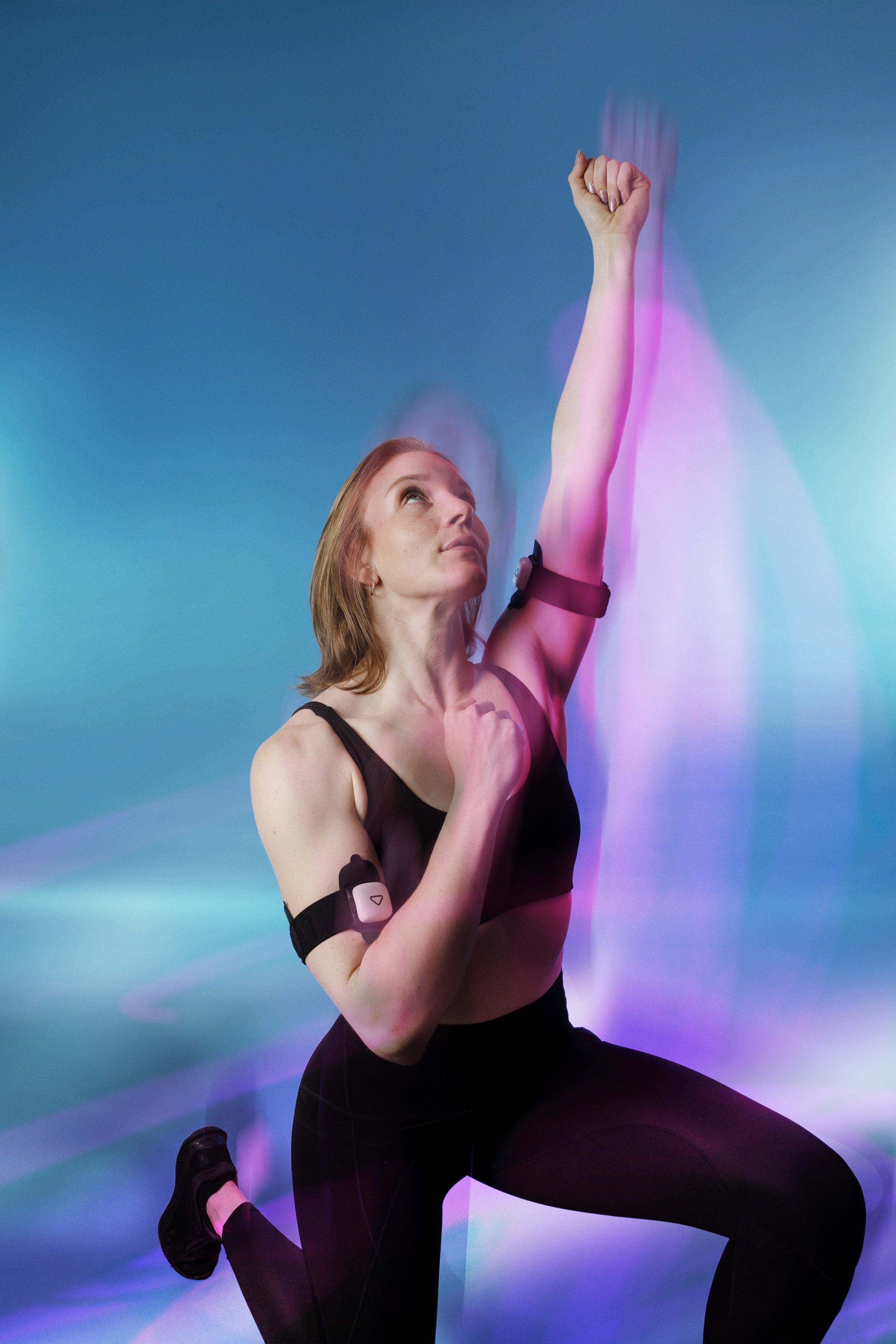
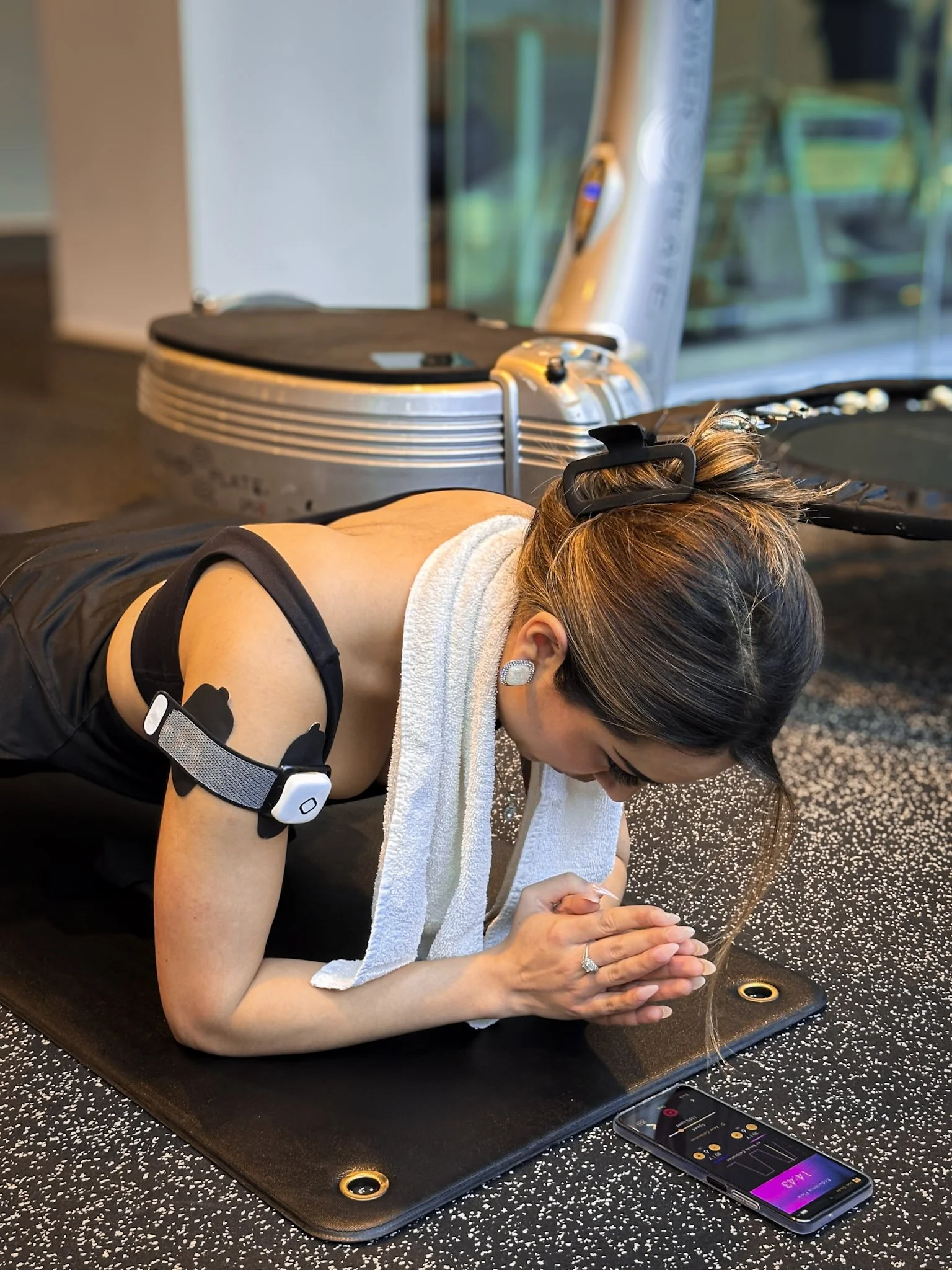
Fitness, by stimulating users’ muscles
Gaming, by vibrating or stimulating users’ skin or muscles based on their in-game activity
Simulating weights and resistance, by stimulating users’ muscles
Physiotherapy, by precisely controlling NMES in conjunction with physiotherapy exercises, etc.
The electrode placement for different muscles can be found here.
Applications
Case Studies
Mobile Application
-
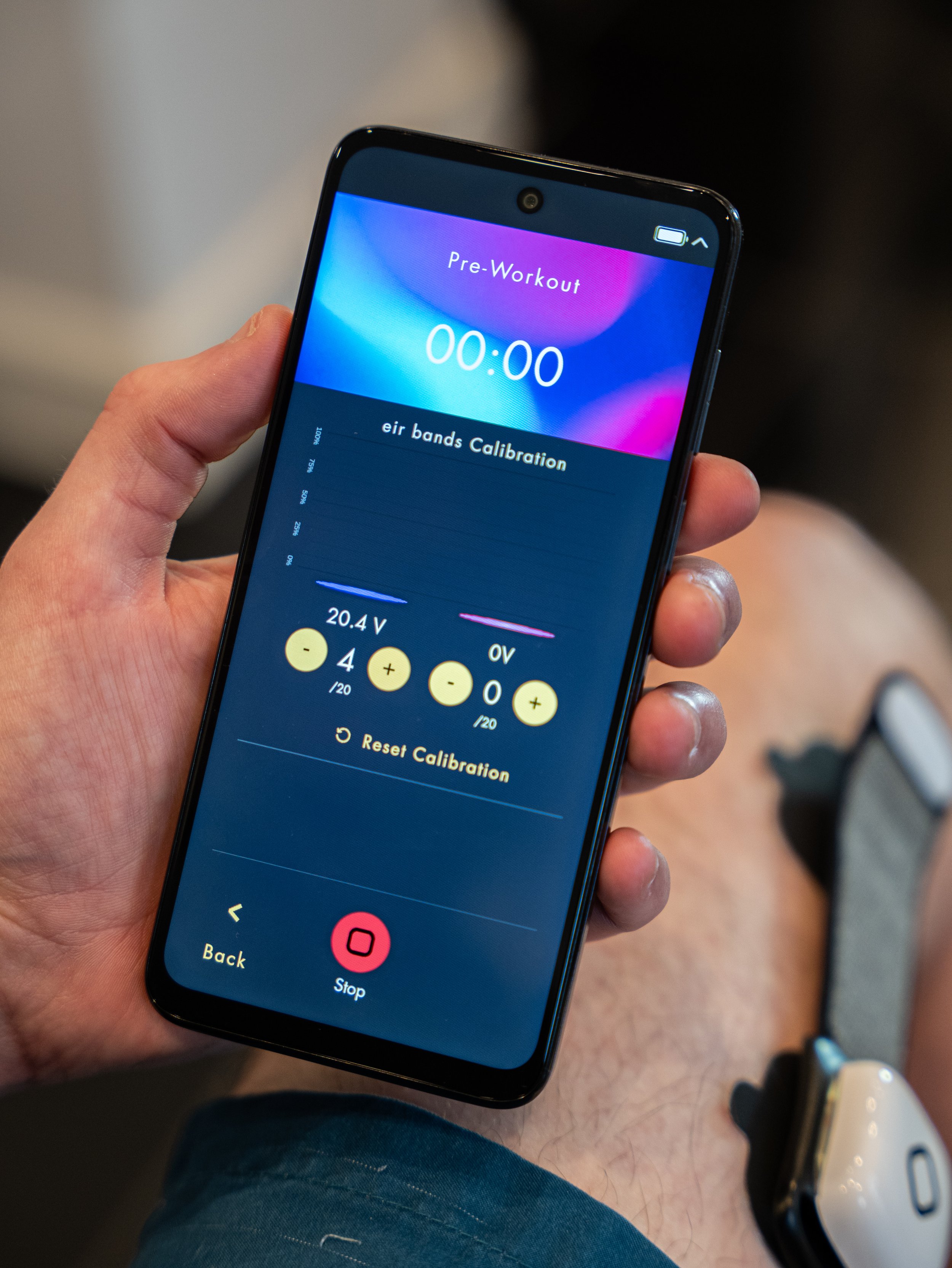
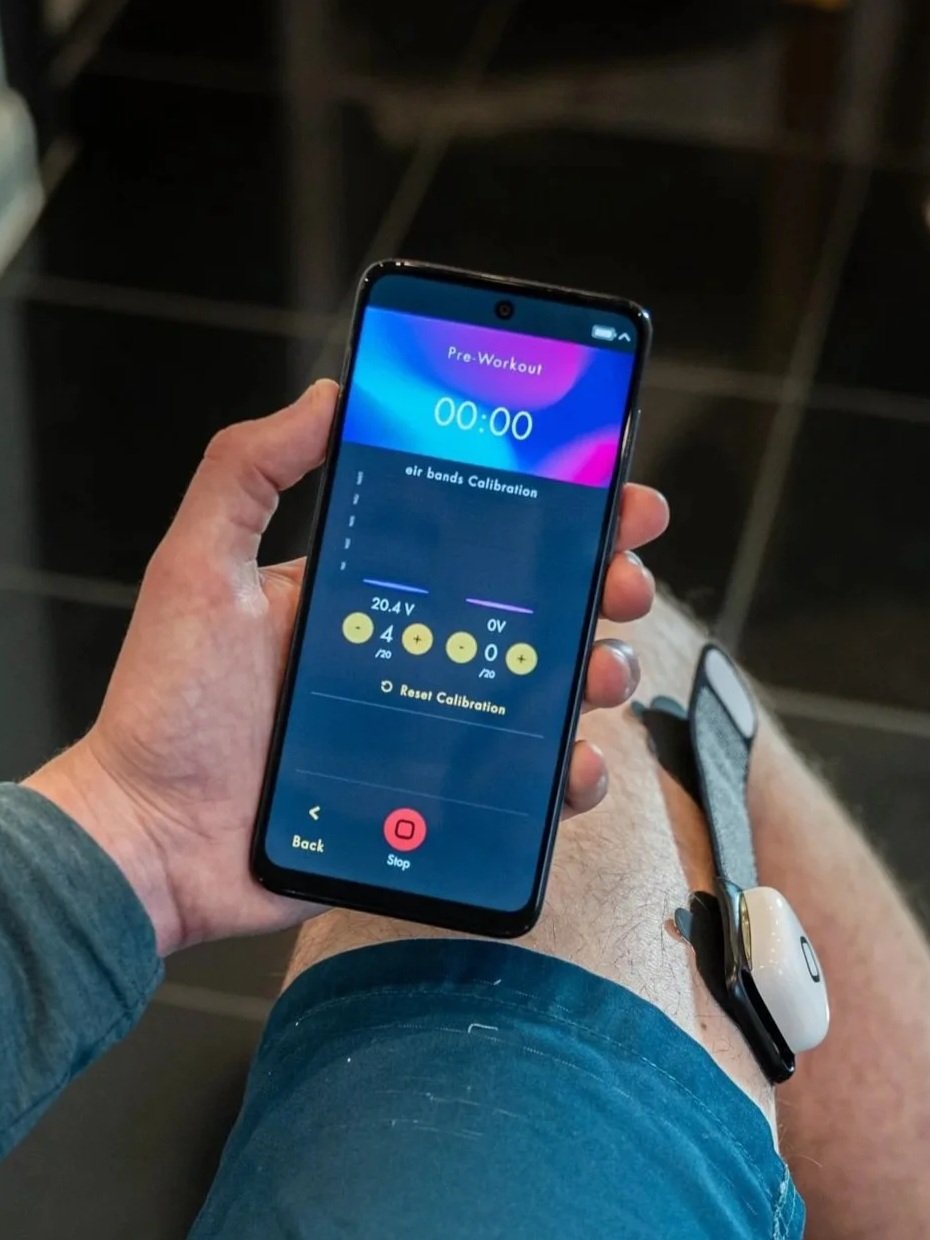
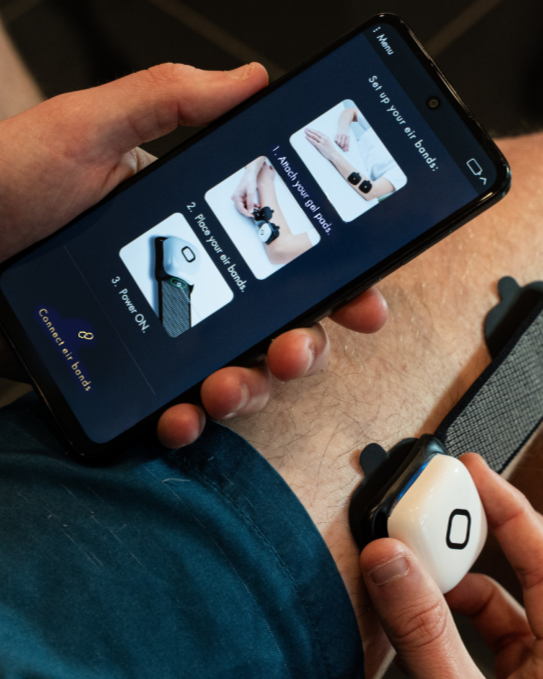
Our mobile application provides core functionality for users to manage their eir bands, focusing on muscle stimulation and recovery routines.
The SDK Bluetooth and Haptics modules were used to quickly develop the eir bands application with eir band connectivity and control out of the box.
Download the app here.
Mobile Application or XR
-
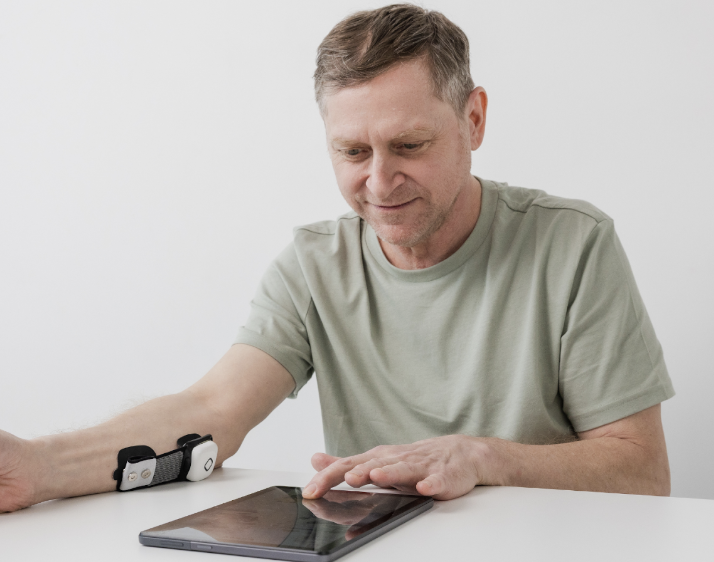
This app provides much more intricate control for clinicians and users for neurological use.
Download the app here.
Meta Quest Fitness App
-
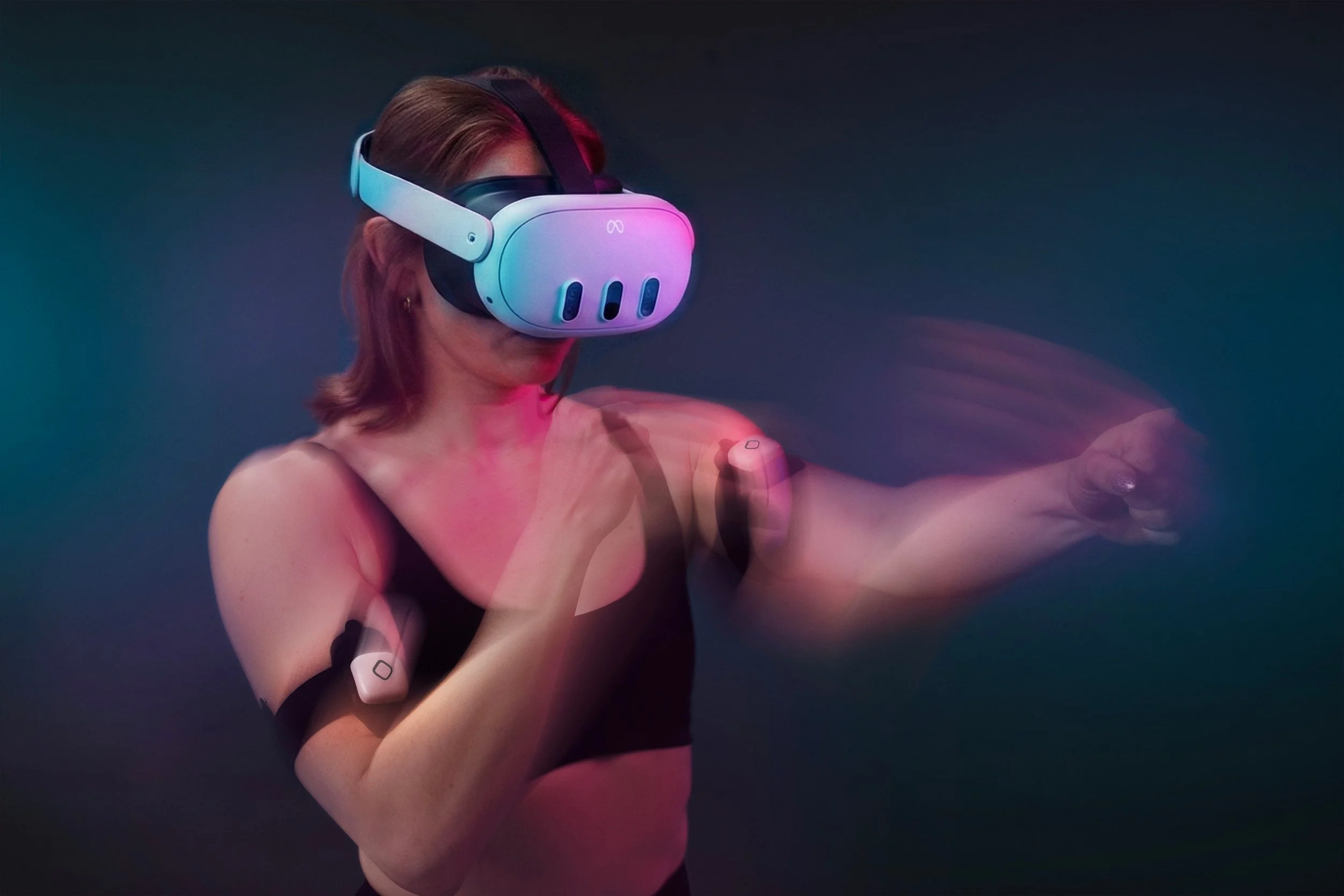
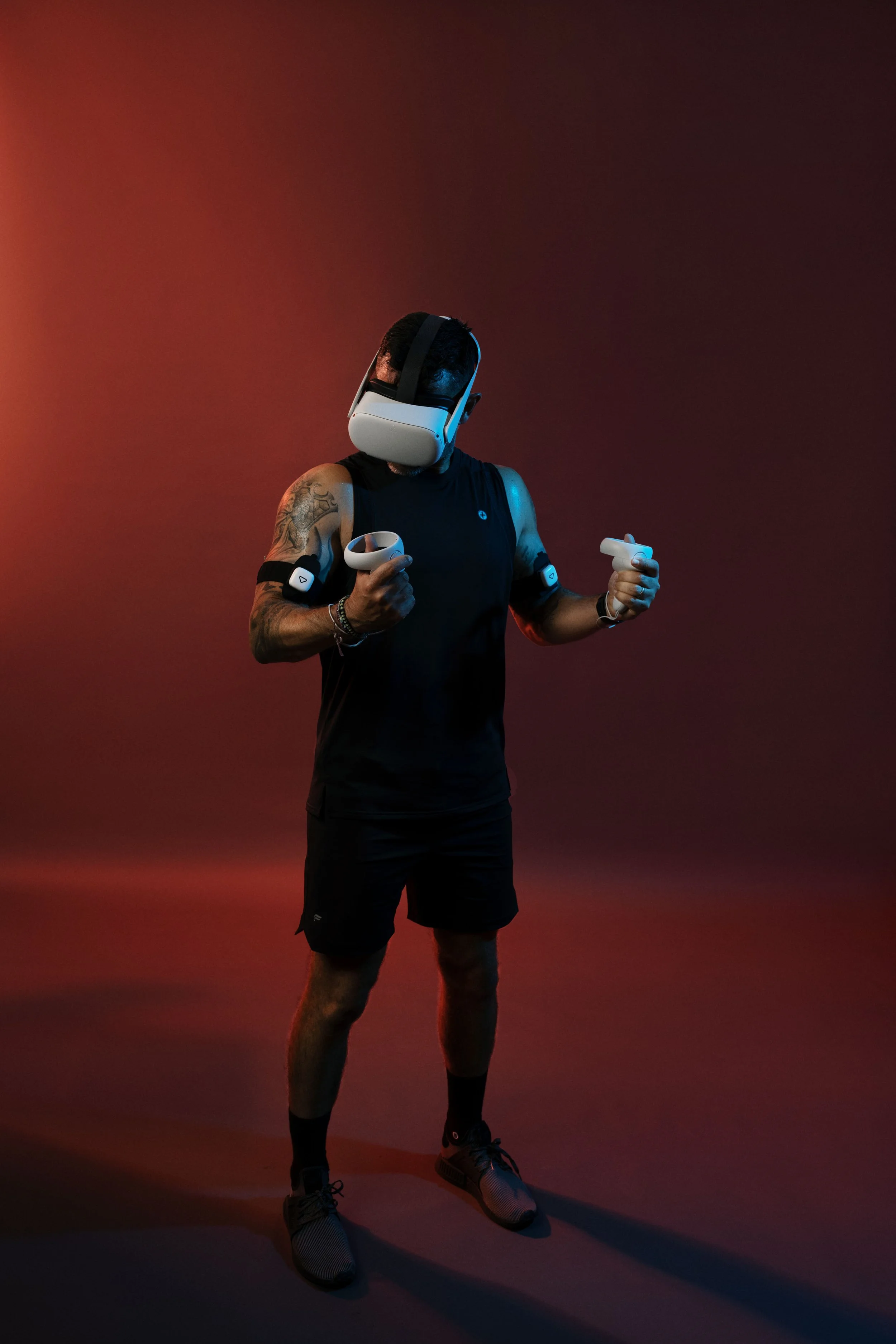
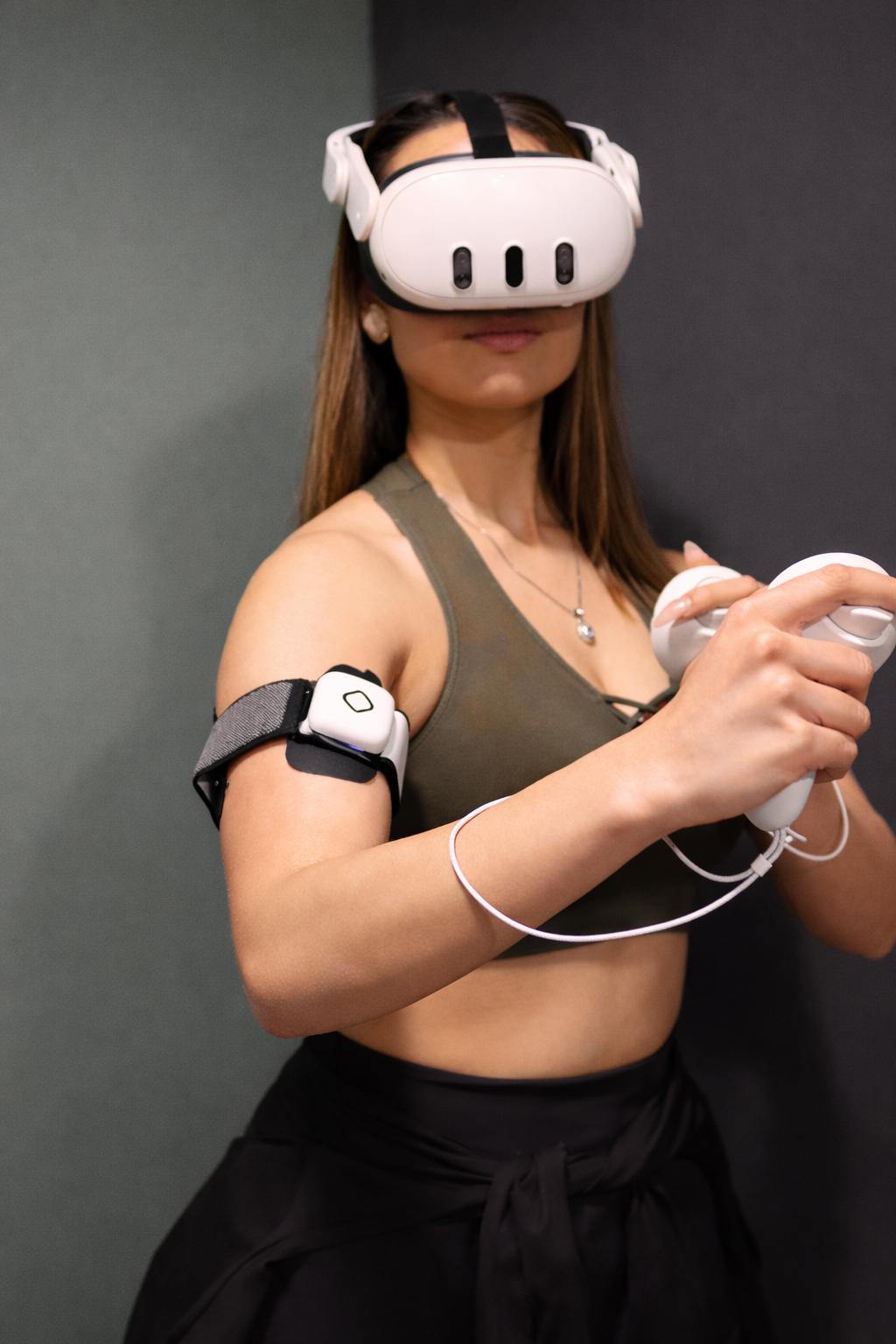
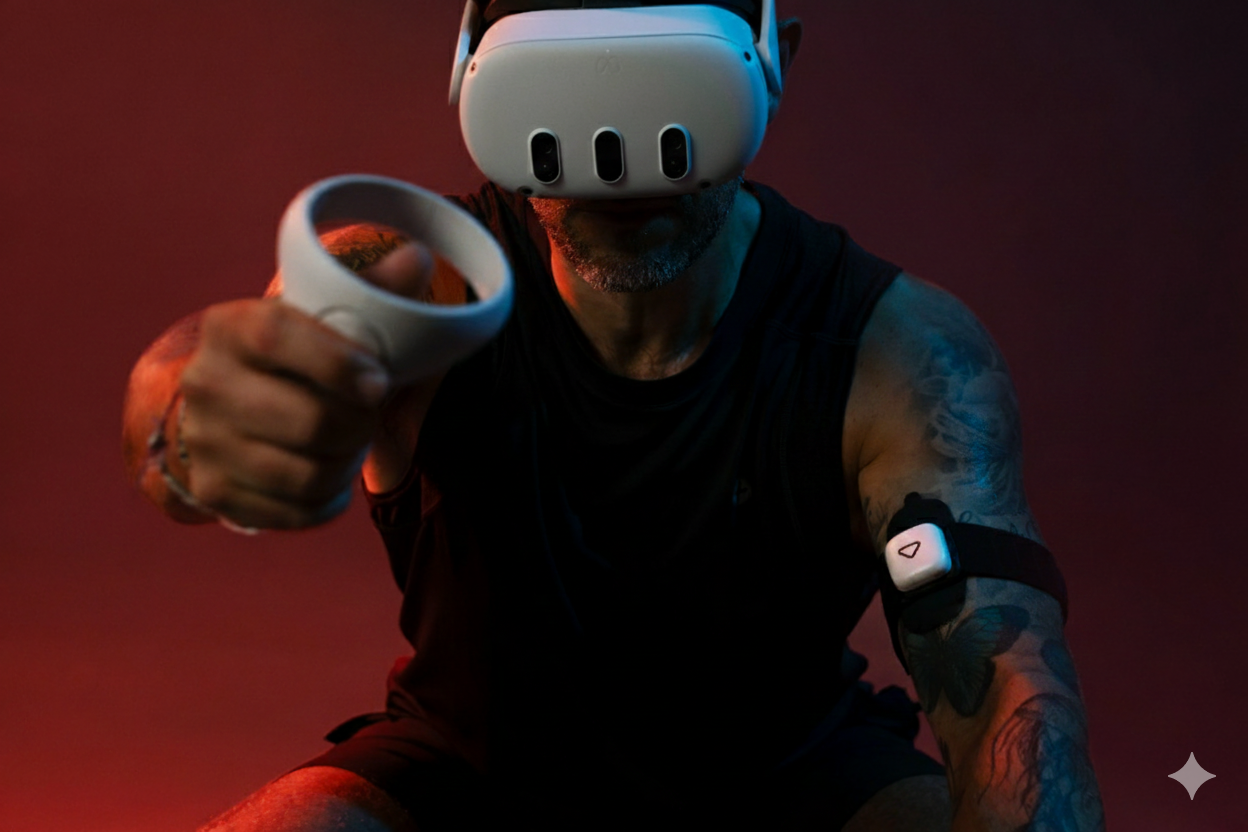
EIR Training is a dedicated training experience that leverages the eir bands to provide active muscle stimulation during virtual fitness classes. EIR Training uses the SDK Interaction module to map exercise movements to EMS output.
Check out EIR Training on Meta Quest here.
XR Sandbox
-
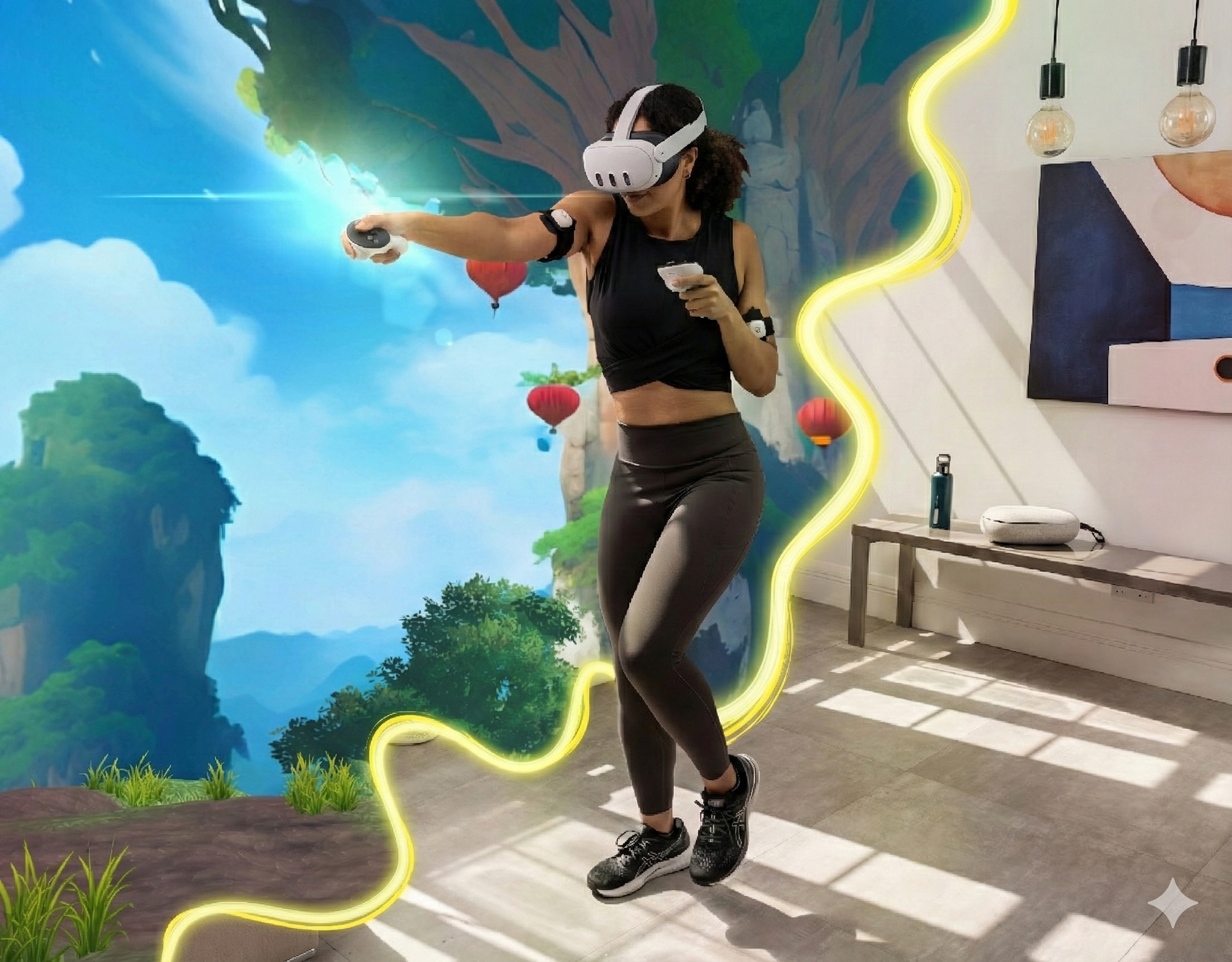
Our sandbox application allows developers and users to freely explore and experiment with the range of EMS sensations provided by the eir bands in an XR setting. EIR Haptic Experience was built using all three SDK modules, Interaction, Bluetooth and Haptics to demonstrate the versatility of the SDK and eir bands.
Check out this video to learn more.
Getting Started
Please enroll below to get access to the latest SDK and to start integrating eir bands into your Unity project.
Rescources
-
Deployed via the Unity Package Manager, the SDK includes three modules:
Bluetooth
Haptics
Interaction
-
Developers will be given access to the SDK Wiki and all documentation.
-
Comprehensive documentation for all SDK classes and methods.
Enroll Now
Please contact us using the button below
to request access to the Unity SDK.
Choose the developer option in the dropdown